Things to Do in Kyoto, Japan: Top Attractions, Areas, Food and 2026 Tips
Things to Do in Kyoto, Japan: Top Attractions, Areas, Food and 2026 Tips
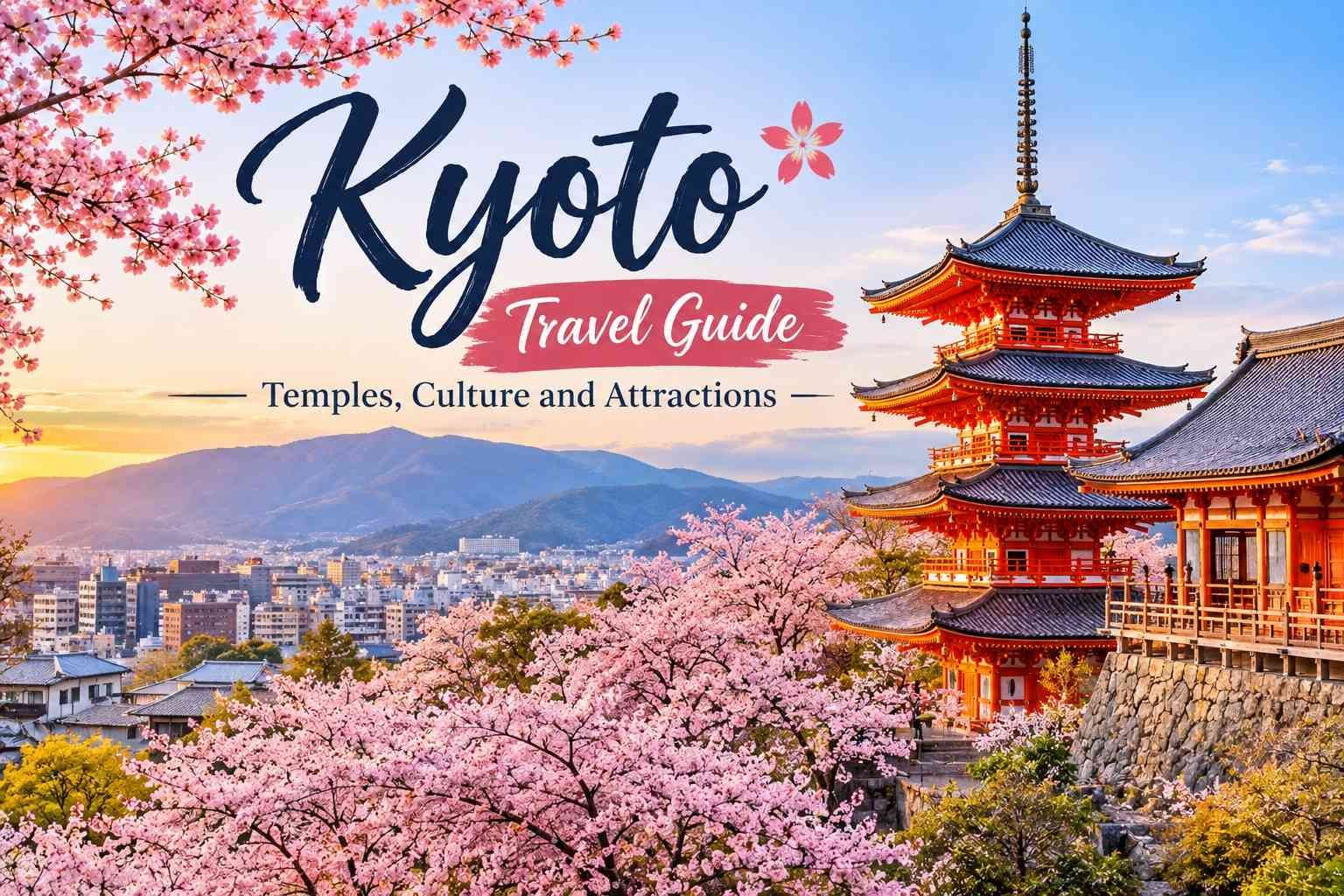
Kyoto is the city most people picture when they think of old Japan. Think golden temples, red shrine gates, quiet bamboo paths and wooden tea houses. If you are planning a trip, this guide covers the best things to do in Kyoto, Japan, area by area. You will find ticket prices, opening hours, what is new for 2026, how to get around, where to stay and what to eat.
We kept it simple. Every price and date below was checked against official sources on November 20, 2026. You will find the must-do sights, quieter spots and simple Kyoto travel tips. Use it to plan your days, skip long lines and avoid surprise costs.
Quick answer: What are the top things to do in Kyoto? Walk through the red gates of Fushimi Inari Shrine, see Kinkakuji (the Golden Temple), stand on the wooden stage of Kiyomizu-dera, explore the Arashiyama Bamboo Forest and stroll the old streets of Gion at dusk. Add Nishiki Market for food and Toji Temple for Kyoto’s tallest pagoda.
Kinkakuji Golden Pavilion reflected in the Mirror Pond in Kyoto, Japan
What Kyoto Is Known For
Kyoto City (京都市) was Japan’s capital for more than 1,000 years, from 794 to 1868. That long history left it with more than 1,600 temples, hundreds of shrines and 17 UNESCO World Heritage sites across Kyoto, Uji and Otsu.
Here is what Kyoto is known for:
- Temples and shrines: Kinkakuji, Kiyomizu-dera, Fushimi Inari and Toji are the big names.
- Geisha culture: Gion is the most famous geisha (called geiko in Kyoto) district in Japan.
- Seasons: Kyoto cherry blossom season in spring and red maple leaves in autumn draw huge crowds.
- Food: Kaiseki (multi-course meals), tofu dishes, Buddhist vegetarian food and matcha from nearby Uji.
Where is Kyoto? Kyoto sits in the Kansai region of central Japan. The bullet train (shinkansen) from Tokyo takes about 2 hours 15 minutes. Osaka is about 30 minutes away by JR train, so many people combine the two cities.
What’s New in Kyoto for 2026 (Read Before You Book)
Kyoto has made several changes to manage crowds. These affect your budget, so check them first.
| Change | What it means for you |
| Higher hotel tax (since March 1, 2026) | You pay ¥200 to ¥10,000 per person, per night, based on your room rate. |
| Autumn leaves running late | Red maple leaves in Kyoto are forecast to peak around December 11, 2026. Yellow ginkgo peaks around November 27. |
| Ginkakuji price doubled (April 1, 2026) | Adults now pay ¥1,000 (was ¥500). Children pay ¥500. |
| Kiyomizu-dera autumn night viewing | Open until 9:30 pm (last entry 9:00 pm) from November 21 to 30, 2026. |
| Toji Temple autumn light-up | October 31 to December 13, 2026. Adults ¥1,000. |
| Nijo Castle two-tier price (planned) | Kyoto’s mayor proposed ¥2,000 for visitors from outside the city, aiming to start in fiscal 2027. Today’s price is still ¥1,300. |
| Two-tier bus fares (planned) | The city plans higher bus fares for visitors than for residents. No start date has been fixed. |
| Bus-only day pass gone | Use the Subway & Bus 1-Day Pass (¥1,100 adults) instead. |
Kyoto hotel tax from March 2026 (per person, per night):
| Room rate per person, per night | Tax |
| Under ¥6,000 | ¥200 |
| ¥6,000 to ¥19,999 | ¥400 |
| ¥20,000 to ¥49,999 | ¥1,000 |
| ¥50,000 to ¥99,999 | ¥4,000 |
| ¥100,000 and over | ¥10,000 |
The tax is usually paid at check-in, even if you prepaid the room online. You can read the full rules on the official Kyoto City tourism site.
Read more: Things to Do in Japan
Top 10 Things to Do in Kyoto: Must-See Kyoto Tourist Attractions
| # | Attraction | Area | Entry fee (adult) | Hours | Time needed |
| 1 | Fushimi Inari Taisha | Southern | Free | Open 24 hours | 2 to 3 hours |
| 2 | Kinkakuji (Golden Pavilion) | Northern | ¥500 | 9:00 am to 5:00 pm | 1 hour |
| 3 | Kiyomizu-dera | Eastern | ¥500 | From 6:00 am, closing varies | 1 to 1.5 hours |
| 4 | Arashiyama Bamboo Forest | Western | Free | Open 24 hours | 30 minutes (half day for the area) |
| 5 | Gion and Hanamikoji | Eastern | Free | Best at dusk | 1 to 2 hours |
| 6 | Toji Temple | Southern | Grounds free, main halls ¥800 to ¥1,200 | 8:00 am to 5:00 pm | 1 hour |
| 7 | Ginkakuji and Philosopher’s Path | Eastern | ¥1,000 | 8:30 am to 5:00 pm (9:00 am to 4:30 pm Dec to Feb) | 2 hours |
| 8 | Nishiki Market | Central | Free | Most shops about 10:00 am to 5:00 pm | 1 to 2 hours |
| 9 | Nijo Castle | Central | ¥1,300 (castle and palace) | Entry 8:45 am to 4:00 pm | 1.5 hours |
| 10 | Maruyama Park and Yasaka Shrine | Eastern | Free | Open 24 hours | 45 minutes |
These are the Kyoto, Japan attractions most people put on their list. Prices and hours can change during special openings, so check on the day.
Eastern Kyoto (Higashiyama): Kiyomizu-dera, Gion and Maruyama Park
Eastern Kyoto is the area most first-time visitors love best. Old wooden streets, temples on the hills and the Gion geisha district all sit within walking distance.
Kiyomizu-dera Temple, Kyoto
Kiyomizu-dera was founded in 778 and is a UNESCO World Heritage site. Its main hall has a huge wooden stage that stands about 13 meters above the hillside. The stage was built without a single nail. From here, you look out over a sea of trees and the city below.
Below the main hall is the Otowa Waterfall. Visitors drink from one of its three streams for luck in health, love or study.
Kiyomizu-dera ticket and hours (2026):
- Adults: ¥500
- Elementary and junior high students: ¥200
- Opens at 6:00 am every day
- Closes at 6:00 pm most of the year, 6:30 pm in July and August
- No advance booking needed. Buy at the gate, and carry cash.
Tip: Arrive at 6:00 am. By 10:00 am the stage and the streets below get very crowded.
Sannenzaka and Ninenzaka
These two stone-paved slopes lead down from Kiyomizu-dera. They are lined with tea shops, pottery stores and sweet shops. Walk them early in the morning for clean photos. Walk carefully too, as the steps can be slippery after rain.
Gion and Yasaka Shrine
Gion is Kyoto’s best-known geisha district. Hanamikoji Street and the Shirakawa canal area look their best in the evening, when lanterns light up. You may see a geiko or maiko (an apprentice) walking to an appointment.
Please be respectful. Residents have banned photos on private lanes in Gion, and signs warn of a ¥10,000 fine. Never stop, touch or block a geiko or maiko for a photo.
Yasaka Shrine sits at the east end of Shijo Street. It is free, open 24 hours and looks lovely when its lanterns glow at night.
Maruyama Park, Kyoto
Maruyama Park sits right behind Yasaka Shrine. It is Kyoto’s most famous spot for hanami (cherry blossom picnics). Its giant weeping cherry tree is lit up at night during the spring season. In 2026, the park held an evening light-up from March 24 to April 8. Outside spring, it is a calm, free park and an easy rest stop between Gion and Kiyomizu-dera.
Ginkakuji and the Philosopher’s Path
Ginkakuji, the Silver Pavilion, was never covered in silver. Its beauty is quiet and simple, with a raked sand garden and moss paths.
- Adults: ¥1,000 (raised from ¥500 on April 1, 2026, so ignore older guides)
- Elementary and junior high students: ¥500
- Open 8:30 am to 5:00 pm (March to November), 9:00 am to 4:30 pm (December to February)
From Ginkakuji, walk the Philosopher’s Path south. This 2 km canal-side trail is lined with cherry trees and ends near Nanzenji Temple.
Nanzenji Temple
Nanzenji is a large Zen temple with a red brick aqueduct that looks almost European. The temple grounds are free. Only certain halls and gardens charge a small fee. The area is also famous for yudofu (simmered tofu), a great vegetarian meal.
Wooden stage of Kiyomizu-dera Temple Kyoto during autumn leaves season
Northern Kyoto: Kinkakuji, the Golden Temple of Kyoto
Northern Kyoto is quieter and greener. It is home to Kinkaku-ji, Kyoto’s most famous temple, and a few calm Zen gardens.
Kinkakuji Temple, Kyoto
Kinkakuji (also called Kinkaku-ji or Rokuon-ji) is the famous golden temple in Kyoto. It is the one photo almost every visitor wants. Its top two floors are covered in gold leaf, and the whole building reflects in the Mirror Pond in front of it.
It was first built in 1397 as a retirement villa for the shogun Ashikaga Yoshimitsu. The original building burned down in 1950 and was rebuilt in 1955.
Kinkakuji tickets and hours:
- Adults (high school and above): ¥500
- Elementary and junior high students: ¥300
- Open 9:00 am to 5:00 pm, every day of the year
- No booking needed. Pay at the gate.
- You cannot go inside the pavilion. You view it from a garden path.
How to get there: Take Kyoto City Bus 12, 59, 205 or M1 to the Kinkakuji-michi stop, then walk about 2 minutes. From Kyoto Station, the bus ride takes around 40 minutes.
Tip: Come right at 9:00 am, or after 3:30 pm when tour groups thin out. A sunny day makes the gold shine brightest.
Ryoanji Temple
Ryoanji is 20 minutes on foot from Kinkakuji. It has Japan’s most famous rock garden: 15 stones set in white gravel. From any seat on the viewing deck, you can only see 14 at once. Entry is ¥600 for adults. It opens 8:00 am to 5:00 pm (March to November) and 8:30 am to 4:30 pm (December to February).
Kurama and Kibune
If you have an extra half day, take the Eizan train north to Kurama. Hike over the hill to Kibune, a small village with a shrine and riverside restaurants. In summer, some places serve meals on platforms built over the cool stream.
Western Kyoto: Arashiyama Bamboo Forest
Western Kyoto is all about nature. Hills, a wide river and the famous bamboo grove make it one of the top things to see in Kyoto.
Bamboo Forest, Kyoto
The Arashiyama Bamboo Forest (also called the Sagano Bamboo Grove) is one of the most photographed places in Japan. Tall green stalks rise on both sides of a narrow path, and the wind makes a soft rustling sound.
- Entry: Free
- Hours: Open 24 hours
- Best time: Before 8:00 am. By mid-morning, the path is packed.
- Getting there: JR Sagano Line from Kyoto Station to Saga-Arashiyama Station takes about 15 minutes. Walk 10 minutes from there.
The path itself is short. Most people walk it in 15 to 30 minutes. Plan half a day for the whole Arashiyama area.
Tenryuji Temple
Tenryuji is a UNESCO-listed Zen temple next to the bamboo grove. Its pond garden has a mountain backdrop. The garden costs ¥500 for adults, with an extra ¥300 to enter the halls. It is open 8:30 am to 5:00 pm (last entry 4:50 pm). You can walk into the bamboo grove from its north gate.
More to Do in Arashiyama
- Togetsukyo Bridge: A wooden bridge over the river with mountain views. Free.
- Okochi Sanso Villa: A former actor’s hillside garden at the far end of the bamboo path. Entry is ¥1,000 and includes matcha tea and a sweet.
- Sagano Romantic Train: A slow scenic train along the river gorge. Book seats early in autumn.
- Arashiyama Hanatouro: Each December, lanterns light up the bamboo grove and nearby paths.
Read more: Japan in December
Morning light in the Arashiyama bamboo forest Kyoto Japan with few visitors
Southern Kyoto: Fushimi Inari and Toji Temple
Southern Kyoto has two of the city’s biggest sights. Both are close to Kyoto Station, so they are easy to reach.
Fushimi Inari Taisha
Fushimi Inari is famous for its tunnels of thousands of bright orange torii gates. They climb up Mount Inari behind the shrine. Each gate was donated by a person or business.
- Entry: Free
- Hours: Open 24 hours
- Getting there: JR Nara Line from Kyoto Station to Inari Station, 2 stops. The shrine is right outside.
- Time needed: The full hike to the top and back takes 2 to 3 hours.
Tip: Most visitors stop at the Yotsutsuji crossing, about halfway up. Above that point the paths get much quieter. Going at sunrise or after dark is also a good way to avoid crowds.
Toji Temple, Kyoto
Toji Temple has the tallest wooden pagoda in Japan. Its five-story pagoda stands about 55 meters high. You can even see it from the bullet train as you arrive in Kyoto. Toji is a UNESCO site and the head temple of the Shingon school of Buddhism.
- Location: A 15-minute walk southwest of Kyoto Station. Or take the Kintetsu Line one stop to Toji Station.
- Entry: The grounds and the Miedo hall are free. The Kondo and Kodo halls cost ¥800 for adults most of the year. During special openings (such as October 31 to December 13, 2026) the ticket is ¥1,200 and also lets you step inside the pagoda’s first floor.
- Hours: Main halls 8:00 am to 5:00 pm (last entry 4:30 pm).
- Night light-up: ¥1,000 for adults, held in cherry blossom and autumn seasons.
- Kobo-san market: On the 21st of every month, a huge flea market fills the grounds. Look for antiques, kimono, pottery and street food.
Tofukuji and Sanjusangendo
Tofukuji is one of Kyoto’s best spots for autumn leaves. Its Tsutenkyo Bridge looks over a valley of red maples. Sanjusangendo is a long wooden hall holding 1,001 golden statues of Kannon, the Buddhist goddess of mercy. Photos are not allowed inside.
Uji: Matcha, Byodoin and the Nintendo Museum
Uji is 20 to 30 minutes south of Kyoto by train. It is Japan’s most famous green tea town. See Byodoin Temple (the building on the ¥10 coin), drink fresh matcha and try matcha ice cream. Gaming fans can visit the Nintendo Museum, which opened in Uji in October 2024. Tickets are sold only in advance on the official website, often by lottery.
Central Kyoto: Nijo Castle, Nishiki Market and the Imperial Palace
Central Kyoto is the modern heart of the city. It is the best area for shopping, food and easy subway access.
Nijo Castle
Nijo Castle was built in 1603 for the first Tokugawa shogun. Inside the Ninomaru Palace, the wooden “nightingale floors” chirp when you walk on them. This was an old alarm against intruders.
- Castle grounds only: ¥800
- Castle and Ninomaru Palace: ¥1,300 (the ticket most people want)
- Entry: 8:45 am to 4:00 pm. The castle closes at 5:00 pm.
In October 2026, Kyoto’s mayor proposed raising the castle and palace ticket to ¥2,000 for visitors from outside the city, starting in fiscal 2027. It still needs approval, so check the price before you go.
Nishiki Market
Nishiki Market is called “Kyoto’s Kitchen.” This narrow, covered street runs about 400 meters and has more than 100 food stalls. Try pickles, tamagoyaki (sweet rolled omelet), soy milk donuts, mochi and matcha sweets.
The market asks visitors not to eat while walking. Eat at the stall where you bought your snack, or in a marked eating area.
Kyoto Imperial Palace
The former home of Japan’s emperors is free to visit, and no booking is needed. It is closed on Mondays. Entry starts at 9:00 am, and closing time ranges from 4:00 pm in winter to 5:00 pm in summer. The large park around it, Kyoto Gyoen, is a quiet place for a morning walk.
Pontocho Alley
Pontocho is a narrow lantern-lit lane along the Kamo River. It is lined with restaurants, many with riverside decks in summer. It is a good place for dinner after a day of sightseeing.
Kyoto Food: What to Eat (Including Vegetarian Options)
Kyoto food is light, seasonal and beautiful to look at. Here are the dishes to try:
| Dish | What it is | Where to try |
| Kaiseki | A multi-course seasonal meal | Gion, Pontocho, ryokan dinners |
| Yudofu | Tofu simmered in a light broth | Nanzenji and Arashiyama |
| Shojin ryori | Buddhist temple food, fully plant-based | Tenryuji (Shigetsu), Daitokuji area |
| Obanzai | Home-style Kyoto side dishes | Small local restaurants |
| Yatsuhashi | Cinnamon rice-flour sweets | Gift shops everywhere |
| Matcha sweets | Ice cream, parfaits, cakes | Uji and Gion |
Vegetarian tip: Kyoto is one of the easiest cities in Japan for vegetarians. Shojin ryori is made without meat or fish. However, many normal dishes use dashi (fish stock), even soups that look vegetable-only. Say “niku to sakana nashi” (no meat and no fish) or carry a printed vegetarian card in Japanese.
Kyoto Cherry Blossom and Kyoto Autumn: Best Time to Visit
| Season | Months | What to expect |
| Spring | Late March to early April | Kyoto cherry blossom season. Very crowded, book hotels months ahead. |
| Early summer | May to June | Green leaves, fewer crowds. June is the rainy season. |
| Summer | July to August | Hot and humid. Gion Matsuri festival in July. |
| Autumn | Mid-November to early December | Kyoto autumn leaves. As busy as cherry blossom time. |
| Winter | December to February | Cold and quiet. Lowest hotel prices and the chance of snow on Kinkakuji. |
Kyoto cherry blossom season: In 2026, the first blossoms opened on March 23, and the best viewing ran from about March 29 to April 4. Most years, full bloom falls in the last week of March or the first week of April. Top spots include Maruyama Park, the Philosopher’s Path, Arashiyama and Toji Temple.
Kyoto autumn leaves: The 2026 season is running late because of a warm year. Red maples are forecast to peak around December 11, 2026. Top spots include Tofukuji, Eikando, Kiyomizu-dera, Arashiyama and Toji.
Best overall: Late April to May and late October to early November give good weather with smaller crowds.
Read more: 9 Incredible Places to Visit in November Around the World
Transport in Kyoto: How to Get Around
Kyoto is spread out, and many top sights are not near a subway line. Most visitors mix trains, buses and walking.
- Kyoto City Bus: ¥230 per ride in the central area. Buses get very full near Kiyomizu-dera and Kinkakuji.
- Subway & Bus 1-Day Pass: ¥1,100 for adults, ¥550 for children. It covers the subway, city buses and some other bus routes. It is valid for the calendar day, not 24 hours. You can read the details on the Kyoto City Transportation Bureau page.
- IC cards (ICOCA, Suica, PASMO): Tap on and off buses and trains. This is the easiest option for most people.
- JR trains: Best for Fushimi Inari (JR Nara Line), Arashiyama (JR Sagano Line) and Uji.
- Japan Rail Pass: It covers JR trains, but not Kyoto City Buses or the subway.
- Taxis: Useful for groups of 3 or 4, or early morning starts.
- Walking: Eastern Kyoto (Gion to Kiyomizu-dera to Ginkakuji) is best seen on foot.
Getting to Kyoto: From Tokyo, take the Tokaido Shinkansen (about 2 hours 15 minutes). From Kansai International Airport, the JR Haruka Express takes about 75 minutes. From Osaka, the JR Special Rapid takes about 30 minutes.
Tip: To beat full buses, take the subway part of the way and walk the rest. For Kinkakuji, a taxi from the nearest subway station is a good shortcut.
Best Places to Stay in Kyoto
| Area | Best for | Why stay here |
| Kyoto Station | First-timers, day trips | Direct trains to Osaka, Nara, the airport and Tokyo |
| Downtown (Kawaramachi, Karasuma) | Food, shopping, nightlife | Central, near subways and Nishiki Market |
| Gion and Higashiyama | Old-Kyoto feel | Walk to Kiyomizu-dera and Gion at quiet hours |
| Arashiyama | A calm, nature stay | See the bamboo grove before day-trippers arrive |
| Okazaki and Nanzenji | Luxury, quiet | Near museums, temples and the canal |
Stay in a ryokan at least one night. A ryokan is a traditional Japanese inn with tatami rooms, futon beds and often a seasonal dinner.
Fufu Kyoto: If you want a special stay, Fufu Kyoto is a modern luxury ryokan next to Nanzenji Temple. It opened in 2021 and has 40 rooms. Every room has its own private hot spring bath made of hinoki cypress wood, which is rare in Kyoto. It sits beside the historic Lake Biwa Canal, an easy walk to Nanzenji and the Philosopher’s Path. Expect high rates, and remember the higher hotel tax for rooms over ¥50,000 per person.
How Many Days in Kyoto? A Simple 3-Day Plan
Most travelers spend 2 to 4 days in Kyoto. Three days lets you see the top things to do in Kyoto without rushing. This plan mixes big sights with easy Kyoto, Japan activities like a market walk and an evening in Gion.
Day 1: Eastern Kyoto
- 6:00 am: Kiyomizu-dera at opening
- 8:00 am: Sannenzaka and Ninenzaka
- 10:00 am: Yasaka Shrine and Maruyama Park
- Afternoon: Ginkakuji and the Philosopher’s Path to Nanzenji
- Evening: Gion and dinner in Pontocho
Day 2: Western and Northern Kyoto
- 7:30 am: Arashiyama Bamboo Forest, then Tenryuji
- Late morning: Togetsukyo Bridge and lunch in Arashiyama
- Afternoon: Kinkakuji and Ryoanji
Day 3: Southern and Central Kyoto
- 7:00 am: Fushimi Inari (hike past the halfway point)
- Late morning: Toji Temple
- Afternoon: Nijo Castle (enter before 4:00 pm), then Nishiki Market
- Optional: Swap the afternoon for a half day in Uji
Kyoto Travel Tips and Etiquette
- Start early. Most temples close at 4:30 pm or 5:00 pm. Mornings are calm, and afternoons are crowded.
- Carry cash. Many temples, small shops and market stalls still take cash only.
- Respect private lanes. Follow signs in Gion, and never chase geiko or maiko for photos.
- Do not eat while walking in Nishiki Market and busy shopping streets.
- Shoes off. You remove shoes inside many temple halls. Wear socks without holes.
- No tipping. Tipping is not part of Japanese culture.
- Send big bags ahead. Use a luggage forwarding service (takkyubin) so you are not dragging suitcases onto crowded buses.
- Book early for peak seasons. Hotels for cherry blossom time and late November sell out months in advance.
Plan Your Kyoto Trip With Go-Go Trips
Kyoto is easy to love but tricky to plan. Hotels fill up fast. Buses get crowded. The best seasons are short. Go-Go Trips can plan a Japan trip that includes Kyoto, Tokyo and Osaka, with hotels, trains and guided sightseeing in one booking.
Frequently Asked Questions
Is Kyoto worth visiting?
Yes, Kyoto is worth visiting, especially on a first trip to Japan. It has 17 UNESCO World Heritage sites, famous temples, geisha districts and some of the best food in the country. Even with crowds, early mornings and quiet areas like Ohara or Kurama show you a calm side of Japan.
How many days do you need in Kyoto?
Three days is ideal for most first-time visitors. That gives you time for Fushimi Inari, Kinkakuji, Kiyomizu-dera, Arashiyama and Gion without rushing. With four or five days, you can add day trips to Nara, Uji or Kurama. One day is enough only for a quick look at two or three top sights.
Can you go inside Kinkakuji?
No, you cannot go inside Kinkakuji. Visitors view the Golden Pavilion from a set walking path around the Mirror Pond. The ¥500 adult ticket covers the garden walk, with views of the pavilion from several angles across the pond. Plan about 45 minutes to one hour for your visit, and go early to avoid tour groups.
Do you need to book Kiyomizu-dera tickets in advance?
No, you do not need to book Kiyomizu-dera tickets in advance. You buy your ¥500 adult ticket at the gate on the day. Carry cash to keep things simple. Night viewings also sell tickets at the gate, but lines are long, so arrive soon after dusk.
Is Kyoto expensive to visit?
Kyoto is moderately priced compared with other major world cities. Many top sights, like Fushimi Inari, the bamboo forest and Gion, are free, and most temples cost ¥500 to ¥1,000. Hotels are the biggest cost, especially in spring and autumn, and the hotel tax rose in March 2026.
Can you do Kyoto as a day trip from Osaka or Tokyo?
You can do Kyoto as a day trip from Osaka, since the train takes only about 30 minutes. A day trip from Tokyo is possible but tiring, as the bullet train takes about 2 hours 15 minutes each way. For the best experience, stay at least two nights in Kyoto itself.
Is Kyoto good for vegetarians?
Yes, Kyoto is one of the best cities in Japan for vegetarians. Shojin ryori, the traditional Buddhist temple cuisine, is fully plant-based, and tofu dishes like yudofu are easy to find. Be careful with soups and sauces, as many use fish stock called dashi. A vegetarian card in Japanese helps a lot.
Is it safe to walk around Kyoto at night?
Yes, Kyoto is very safe to walk around at night. Areas like Gion, Pontocho and the Kamo River banks are popular in the evening. Fushimi Inari is open 24 hours, but the upper mountain paths are dark, so bring a light and stay on the main trail.
All Categories
Recent Posts
Things to Do in Kyoto, Japan: Top Attractions, Areas, Food and 2026 Tips

9-Day Vietnam Itinerary 2026: Hanoi, Ha Long Bay, Da Nang and Ho Chi Minh City

Las Vegas Trip Guide 2026: Top Attractions, Vacation Packages and Real Costs